


What are the Indications of red light therapy for pelvic floor device?
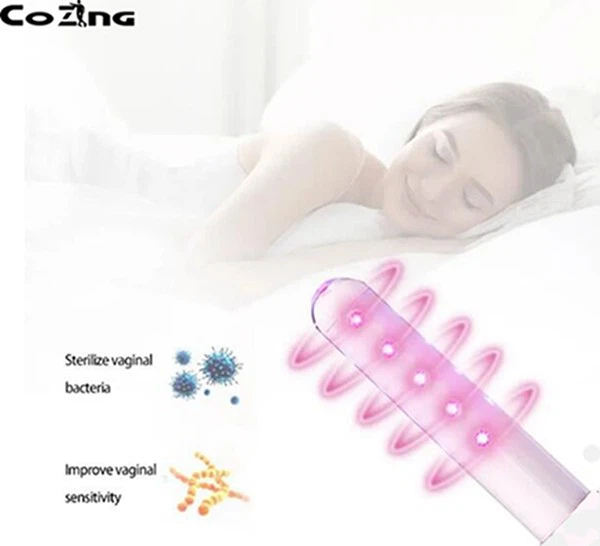
- Enhancing Vaginal Firmness:
- Improving the tightness and firmness of the vaginal tissues.
- Alleviating Vaginal Dryness:
- Addressing and reducing dryness in the vaginal area.
- Detoxification Process:
- Implementing a detoxification process to promote vaginal health.
- Bacterial Balance:
- Restoring and maintaining a healthy balance of bacteria in the vaginal environment.
- Heightening Vaginal Sensation:
- Increasing sensitivity and sensation in the vaginal region.
- Enhancing Sexual Desire:
- Contributing to heightened sexual desire and arousal.
- Easing Intimacy Discomfort:
- Reducing discomfort and pain during sexual intercourse.

What's the technical parameter of the red light therapy for pelvic floor device?
|
Place of Origin |
Hubei, China |
|
Output power |
47w(for Cosmetic Gynaecology) |
|
Function |
viginal tightening, massage, gynecology treatment |
|
Application |
Household |
|
Delay |
0.01-1s |
|
Indication light |
650nm,intensity control |
|
Target Area |
Virgina |
|
Model Number |
COZING-W06 |
What is the features of the low level viginal tightening laser?
①Two important wavelength
The wavelength of 650nm in the near infra-red portion of the spectrum has high absorption in water and hemoglobin.
②Superior quality and safety design.
③Compact and Portable
④Comprehensive Facilities A variable package of various laser fibers and combinable handpieces is available
⑤Easy to Use.

How does low level viginal tightening laser work?
①The female reproductive system folds numerous, complex structure, and is located deep inside, import-style treatment of the slightest mistake, likely to cause serious consequences. In the field of obstetrics and gynecology, about 650nm low-intensity laser has been used clinically for decades.
②LLLT laser can increase energy levels by releasing more ATP from cells' mitochondria. Then stimulate DNA/RNA synthesis to activate the lymphatic system, an important part of our immune system that helps carry waste out of the body. Thus it can repair damaged tissues and cells and activate enzymes.
③Besides, red blood cells can also absorb laser energy, which improves the oxygen-carrying capacity and accelerates blood circulation and metabolism, thereby helping bring more oxygen and nutrients to our cells and tissues forming new capillaries.
④Stimulating or decreasing inflammation, which helps control our natural healing capabilities, thereby treating columnar ectopic and mild non-specific vaginitis.
⑤Red laser light also stimulates the production of collagen, increases the collagen the regeneration, thus has a good effect on the vaginal tightening.
⑥Through years of scientific experiments and clinical experience, it is proved that the red laser light has the functions, such as biological photochemical effect and light biostimulation effect.

The "secret weapon" for treating pain
Chronic pelvic pain is very different from other types of pain because it is closely related to our emotional, mental and psychological state and may involve many symptoms of the neurological, endocrine, visceral, gynecological, urinary and muscular systems. It can be very difficult to treat and may require six months to a year of physical therapy, depending on the patient's presentation and medical history.
This lengthy treatment process requires new treatments and modalities. When I started treating this population, I had so much difficulty managing their pain that I had to think differently. Electrical stimulation and ultrasound were not as effective as I had hoped and did not provide adequate pain relief in these patients.
I needed an approach that could be integrated into my pelvic pain treatment regimen and help produce immediate and long-lasting pain relief. I needed a method that could significantly reduce pain in one treatment and that my patients could trust because of the results.
Low-level laser therapy (LLLT) has proven to be my secret weapon in treating men and women with chronic pelvic pain. (I often call it "light therapy" because many patients are put off by the word "laser.")
I have been successfully using light therapy for almost ten years. It helps my patients reduce pain and many ask me to use it as part of their treatment. Of course, the effectiveness of light therapy depends on the therapist using it. You have to apply this approach correctly and use the science correctly to maximize results.
LLLT was approved by the FDA in 2002. At the time, the model was praised by the likes of the New England Patriots and the United States Olympic Committee for its ability to help top athletes recover quickly from injuries. The recognition from these organizations piqued my interest and I decided to research how it works.
I realized that LLLT can be used on many levels. LLLT is unique: it is a cell biostimulant used to increase cell viability and the processes occurring within cells. Not all lasers are "created equal" and you must be careful about the type you buy.
Principles that must be considered include wavelength in nanometers, power in milliwatts, and total energy in joules. In my pelvic pain protocol, I use LLLT on sensitive and painful tissue that cannot tolerate any heat production.
Many lasers claim to be great therapeutic lasers but actually produce heat within tissues and cells. Any heat generated has the potential to harm and destroy cells. Heat production indicates that too many joules of energy are being delivered per cycle. The goal of LLLT is to stimulate intracellular health and vitality to produce effects such as pain relief, collagen synthesis, resetting nerve potential, anti-inflammatory effects, and endorphin production.
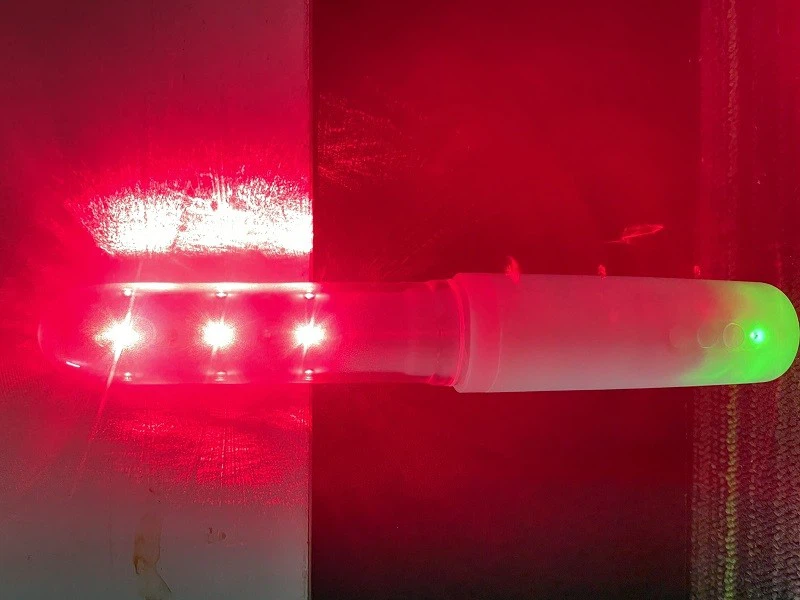
Product display:

FAQ


