


Photodynamic Therapy
You Professional Photodynamic Therapy Suppliers!
Wuhan Cozing Medical Devices Co.,Ltd has focused on physical therapy lasers & light devices for around 10 years in China, we started as a small trading company, but now have become one of the leading suppliers in the physical therapy lasers & therapy light industry in China.


Why choose us
Accept ODM/OEM
Cozing Medical has the most advanced medical electronic R & D center in China. With more than ten senior engineers and experts in the field of optoelectronics. So OEM and ODM are welcome.
Production Equipment
Our factory equip with 1,500 square meters sterilized workshop which coordinate with GMP standard, 2PCS individual fully-automatic production lines.
Our Certifications
Specialized in the physical therapy rehabilitation field , almost all the items are all CE and RoHS certificated, and has passed ISO9001 and ISO13485 certificates.
Sale Market Market
Product sales United States, Canada, United Kingdom, Australia, France, Bulgaria, Russia, Hungary, Indonesia, Philippines, Malaysia etc.

Photodynamic therapy is a form of phototherapy involving light and a photosensitizing chemical substance used in conjunction with molecular oxygen to elicit cell death. PDT is used in treating acne, wet age-related macular degeneration, psoriasis, and herpes.
Product Specification
We offer the following Specifications:
|
Model Number |
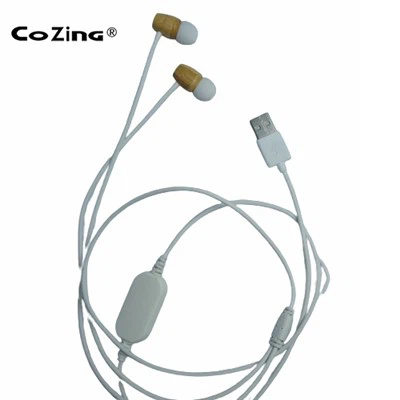
COZING-USBO4 |
|
Advantage |
Combine the laser +led into one |
|
Wavelength |
650nm laser +660nm led |
|
Certificate |
CE |
|
Power supply |
Power bank, computer, phone charger, etc. |
|
Material |
Food grade material |
|
Max. Power |
250mW other technical parameters can be customization |
|
Instrument classification |
Class I |
Common Types
We offer the following Product introduce:
Dentist Cold Sore Laser
Laser treatments target excess blood vessels and redness in the skin, At a specific wavelength, the energy of the laser is absorbed by the hemoglobin in red vessels, causing them to close and the pink or red color to fade. Depending on the type of scar and its location, laser skin resurfacing can be very effective in reducing the appearance of scars by blending them into the surrounding skin.
Laser Therapy for Tinnitus and Hearing Loss
That LLLT exposure increases ATP production. Increased ATP production may lead to increased cellular metabolism, promote recovery from damage, restore cells to a healthy state, and reverse many degenerative conditions.For ear diseases, it is reported that low-intensity laser can change the collagen tissue in the cochlea. Especially in the basement membrane. In addition, LLLT has a beneficial effect on the recovery of cochlear hair cells after acute alopecia and can increase the number of cells.
Photodynamic Laser
Laser energy in the red and near infrared light spectrum is capable of penetrating tissue. It stimulates mitochondria in the cells to produce energy through the production of ATP (adenosine triphosphate). Mitochondria are the power supplies of all cells; they metabolize (burn) fuel and produce energy for the cell in the form of ATP. In stimulating the mitochondria, laser therapy can repair damaged tissue and return cells to a healthy state, reversing many degenerative conditions.
You may need to make some adjustments for a while to protect yourself from light after PDT to your skin. Changes may include:
Staying indoors (especially for the first 48 hours following treatment)
Avoiding direct, bright or strong indoor lights
Wearing sun-protective clothing and hats to avoid natural sunlight
Staying away from environments where light may be reflected, like beaches
Not using helmet-type hair dryers
Not using strong reading or examination lamps

Cold Sore Laser Clinical Study
Objective:
This current investigation seeks to assess the efficacy of utilizing photobiomodulation therapy (PBMT) in averting recurrent herpes labialis (RHL) via a randomized controlled clinical examination.
Background data:
RHL, a persistent ailment, significantly impacts the well-being of individuals. Existing literature suggests PBMT's potential to curb RHL occurrences, diminishing their frequency and intensity. Despite positive findings, limited controlled clinical research exists on this topic.
Methods:
In this study, 158 participants were enlisted and randomly assigned to three experimental cohorts: Laser 1–1 J/point (L1J): n = 61, Laser 2–2 J/point (L2J): n = 50, and placebo–0 J/point: n = 47. The intervention comprised a regimen of 15 sessions over 6 months, followed by a 2-year post-treatment monitoring phase.
Results:
The outcomes reveal that L1J exhibited superior efficacy in diminishing the annual lesion count and reducing the severity of recurrences during long-term evaluation compared to L2J. Both Laser Groups (L1J and L2J) demonstrated statistically significant superiority over placebo across all analyzed parameters. Patients subjected to laser therapy (L1J and L2J) showed notable enhancements in lesion frequency and/or severity. Notably, no adverse effects were reported from the treatment.
Conclusions:
PBMT emerges as a potentially effective intervention for curbing RHL recurrences and mitigating the severity of post-irradiation lesions.
Packaging & Delivery

Certifications


FAQ
We're well-known as one of the leading photodynamic therapy manufacturers and suppliers in China. Please feel free to wholesale high quality photodynamic therapy made in China here from our factory. Contact us for customized service.
dentist cold sore laser, red light therapy for tinnitus, ear laser acupuncture