


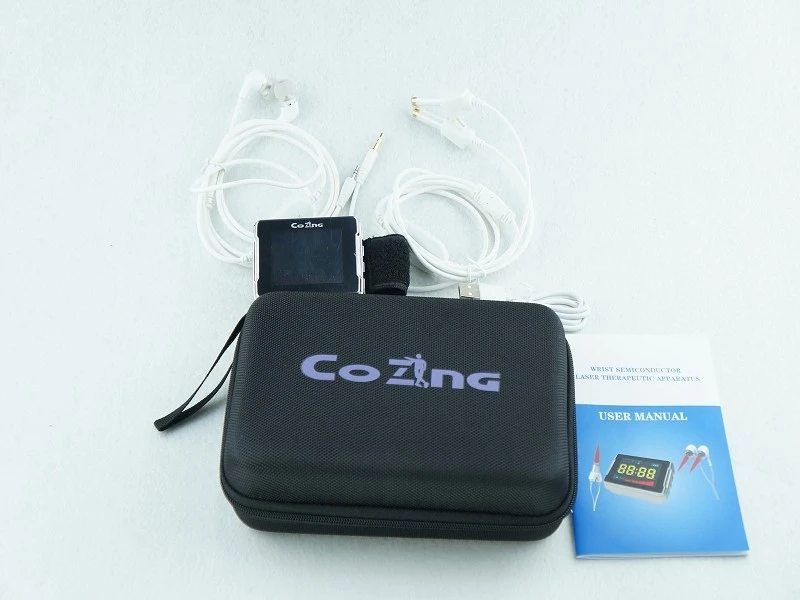


Indications:
- Hyperlipidemia, hypertension, hyperviscosity, hyperglycemia, etc.
- Arteriosclerosis, cerebral thrombosis, cerebral infarction, coronary heart disease, stenocardia, etc.
- Adjuvant therapy for Cephalalgia, dizziness, chest distress, insomnia, tinnitus, lack of power, neurasthenia, etc.
- People who need to enhance immunity, anti-aging, and improve sub-health
- Contraindications: pregnancy, cancer, hemorrhagic disease people
- What are the early symptoms of diabetes?
The early symptoms of diabetes

Mouth cavity: dry mouth, thirst, drinking water, Oral cavity mucous membrane appears stasis point, bruises, edema, and gum swelling and pain, knock teeth ache, or the mouth is burning sensation
Weight: the weight is slowly reduced and no obvious incentive.
Vitality: fatigue, constant hunger, sweating, fatigue, palpitations, tremor, low blood sugar
Urine: male urinary frequency, too much urine
Eyelids: eyelids have yellow flat new organisms (macular tumors).
Skin: lower extremities and foot ulcer prolonged healing; Or have repeated skin, genital infection; Skin abrasions or catch broken not easily healing, or have repeated attacks of glans penis inflammation, vulvae inflammation, vaginitis.
Vascular: arteriosclerosis, hypertension, coronary heart disease.
Reproductive: women with repeated abortions, gestosis, polyhydramnios, or childbirth of fetal macrosomia.
About the "650nm low-level light "
650-nanometer laser, The latest laser medical research shows that when a 650-nanometer laser beam is vertically incident on the body and irradiates arteries from the body surface, about 1/10 of the laser energy passes through the skin, muscles and blood vessel walls and is absorbed by the blood.
Why use 650nm low-intensity semiconductor lasers to treat diseases?
The 650-nanometer laser is at the absorption peak of the hemoglobin spectrum and can be strongly absorbed by hemoglobin. The 650-nanometer laser irradiates the blood, which can restore the charging performance of red blood cells, improve the deformation ability and aggregation of red blood cells, reduce blood viscosity, and prevent and treat ischemia. Cardiovascular disease.
After 650nm laser irradiation, the lipid layer on the outside of red blood cells can be shed, and the permeability of the cell membrane can be improved, which can significantly improve the oxygen-carrying capacity of the blood, strengthen the cell's ability to use oxygen and the oxidation process, thereby improving systemic tissue hypoxia
Laser irradiates the blood to quickly correct abnormal blood lipid metabolism and maintain the metabolic balance of blood lipids in the body. It normalizes the ratio of cell membranes, cholesterol, and phospholipids, improves lipid stability and membrane fluidity, and at the same time resists free radical lipid oxidation damage and accelerates Free radical scavenging.
Laser irradiates the blood to quickly correct abnormal blood lipid metabolism and maintain the metabolic balance of blood lipids in the body. It normalizes the ratio of cell membranes, cholesterol, and phospholipids, improves lipid stability and membrane fluidity, and at the same time resists free radical lipid oxidation damage and accelerates free radicals. clearing.


What's the technical parameter of the diabetic laser treatment?
|
Laser medium |
GaA/As semiconductor |
|
Laser emission wavelength |
650nm red, blue ,yelllow , green |
|
Terminal laser probe |
11 pieces laser beams and 2 pieces nasal & EAR cavity laser beams |
|
Laser output power |
2-5 mW |
|
Laser operating voltage |
3.0 V |
|
Input voltage of power |
100-240 V |
|
Fixed time range |
10-60 mins can be adjusted |
|
Environment temperature |
-20 ℃ - 40 ℃ |
|
Relative humidity |
≤ 85% |
|
Atmospheric pressure |
86kpa - 106kpa |
|
Power source use |
1800mA Lithium battery |
|
Product packing |
1pc/box. 19*12*13 cm |
What's the Principle of diabetic laser treatment?
650-nanometer low-intensity laser therapy is widely used in ①Cardiovascular and cerebrovascular diseases: high blood viscosity, hyperlipidemia, hypertension, coronary heart disease, stroke, diabetes, and precursor symptoms of cardiovascular and cerebrovascular diseases: headache, dizziness, palpitation, chest tightness, and fatigue, shortness of breath.
②Health care Blood care - regulates blood viscosity, blood lipids, blood pressure, and blood sugar, prevent ischemic diseases - promote blood circulation, improve microcirculation, improve tissue blood supply; improve sleep - regulate the nervous system, adjust the biological clock, improve sleep quality; enhance physical fitness - improve immune function, prevent and fight diseases, and eliminate fatigue;
Anti-aging: Resist cell oxidation and aging, correct metabolic disorders, and delay aging.
③It has a good auxiliary treatment effect on other diseases such as allergic rhinitis, sinusitis, chronic bronchitis, asthma, pulmonary heart disease, etc. A laser is composed of photons, and each photon contains a certain amount of energy, so a laser is also called a light quantum. After it is absorbed by cells, it will not leave any residue except changing the state of the cells. It is the "purest" energy that enters the human body without any material attached. Applying low-intensity light to biological tissue will not cause damage to biological tissue, and benignly stimulates the body to produce a series of photochemical reactions and biological effects, thereby achieving the purpose of treatment and health care. It is called "low-intensity laser therapy" in medicine. ".
From the 1960s to the 1980s, after a large number of clinical studies by worldwide scientists, it was discovered that it could be used to assist in the treatment of chronic diseases, and was called the "light of health."
In the early 1990s, Russia firstly apply low-intensity lasers to medical treatments. Russian astronauts brought laser devices into space as an important tool for auxiliary treatment and health care. The medical community around the world was shocked.
In recent years, scientists from Europe, the United States, Japan, and other countries have transferred low-intensity laser therapy to the public as an important promotion project for health care, medical treatment, and anti-aging, especially among astronauts, international professional athletes, members of the royal family, and political and business celebrities. It is widely used and recognized by the European Medical Laser Association, the Japan Laser Medical Association, and the American Laser Applications Association. Low-intensity laser therapy is also called "21st-century green therapy".
① Reduce blood viscosity: Injecting monochromatic low-energy light quanta into the blood through nasal cavity irradiation, it can improve the deformation ability of red blood cells, improve the aggregation of red blood cells and platelets, improve the oxygen-carrying and carbon-emitting capabilities of red blood cells, and make red blood cells with the negative charge. The amount of negative charge returns to normal, and the mutual repulsive force increases, causing the red blood cells that originally gathered into clusters to disperse and dissociate, thereby achieving the purpose of reducing blood viscosity.
Reduce blood lipids: Injecting monochromatic low-energy light quanta into the blood, which can activate various enzymes in the blood, ablate and decompose excess fat in the blood, and increase blood oxygen content, thereby accelerating the removal of free radicals, interfering with lipid peroxidation metabolism, reducing and removing them Cholesterol in blood vessels,to achieve the purpose of lowering blood lipids
②Prevent thrombosis: Injecting monochromatic low-energy light quanta into the blood, can reduce the active substances that constrict blood vessels increase the substances that dilate blood vessels, and reduce the content of substances that can form thrombus in the blood, which is beneficial to cardiovascular and cerebrovascular diseases, stroke, and The occurrence of cerebral infarction, myocardial infarction, coronary heart disease, and other diseases
③Prevent and treat hypertension and stabilize blood pressure: Injecting monochromatic low-energy light quanta into the blood, can reduce blood viscosity, and improve the aggregation of red blood cells and platelets, thereby reducing the peripheral blood pressure of blood vessels. resistance, lower blood lipids, improve the elasticity of blood vessel walls and return blood pressure to normal. By reducing the peripheral resistance of blood vessels, it reduces the load on the heart and plays a role in stabilizing blood pressure.
④Healthy brain and enhanced memory: Mental workers consume a large amount of adenotriphosphate (ATP) every day. This main source of energy must involve oxygen and glucose. After laser irradiation, red blood cells carry oxygen, release and The ability to discharge carbon is enhanced and the brain is supplied with sufficient oxygen, thereby ensuring that the brain has sufficient energy sources, achieving the effects of strengthening the brain and increasing memory.

What is the diabetic laser treatment Clinical result?
① How to use
Experimental group (65 cases): Wear the "COZING laser treatment device" on the patient's left wrist, align the target blood vessel locator with the depression of the radial styloid process on the wrist, align the four laser output ports with the radial artery, and the output power is 25mW. , the irradiation time is 30 minutes each time, once a day, a course of 15 days.
Control group (32 cases): treated with conventional therapy of lipid-lowering + anticoagulant drugs. Sodium alginate diester tablets (National Drug Approval No. H12020821, batch number: 050507), oral administration, 2 tablets at a time, 3 times a day; Aspirin enteric-coated tablets (National Drug Approval No. H13023716, batch number: 0511081), oral administration, 100 mg daily, - 1 time per day. 15 days is a course of treatment.
Both groups of cases stopped taking any drugs that lowered blood lipids and reduced blood viscosity during treatment. Those who completed 2 courses of treatment were included in the statistics.
② Observation methods and indicators: Blood rheology indicators: whole blood specific viscosity, plasma viscosity, red blood cell aggregation index, red blood cell deformation index, and other indicators; blood lipid indicators: total cholesterol, triglycerides, low-density lipoprotein, high-density lipoprotein; blood sugar, blood pressure, and clinical symptoms.
③Statistical method: SPSS for Windows version 10.0 software was used for statistical processing. The t-test was used for measurement data, and the x2 test was used for count data.
④Efficacy standards Reference literature and relevant standards for clinical symptoms and blood rheology efficacy evaluation; reference literature for blood lipid and blood glucose efficacy evaluation.
⑤ Comparison of the clinical efficacy of the two groups. The clinical observation data were statistically processed. After 65 patients in the experimental group were treated with the "Three High Laser Therapy Instrument," the clinical significant rate was 38.46%, the effective rate was 52.31%, and the ineffective rate was 9.23%. The total effective rate was 90.77%. Compared with the control group, the difference was significant, P<0.05.
Table 1 Comparison of clinical efficacy between the experimental group and the control group (n/%)
|
Group |
Number of examples |
effective |
efficient |
invalid |
always efficient |
|
control group |
32 |
10(31.25) |
13(40.63) |
9(28.12) |
23(71.88) |
|
test group |
65 |
25(38.46) |
34(52.31) |
6(9.23) |
59(90.17) |
Study on the effects of laser vascular external irradiation on glucose and lipid metabolism disorders
Effect of COZING laser treatment device on blood rheology and blood lipids (n=5x±s)
|
project |
total cholesterol Mmol/L |
Triglycerides Mmol/L |
Low-density lipoprotein |
HDL |
plasma viscosity MPa/s |
red blood cell aggregation index |
Red blood cell deformation index |
fibrinogen (g/L) |
blood sugar |
|
Before treatment |
8.08±1.63 |
2.21±0.24 |
3.85±0.58 |
1.42±0.20 |
3.13±0.52 |
6.57±1.07 |
1.05±0.30 |
4.06±0.54 |
8.93±1.23 |
|
After treatment |
5.42±0.83 |
1.13±0.18 |
3.36±0.31 |
1.46±0.32 |
1.28±0.19 |
3.12±0.92 |
1.28±0.18 |
4.04±0.35 |
5.66±1.05 |
⑥ Regarding the improvement of glucose and lipid metabolism disorder indicators, after treatment with the "COZING laser treatment device", the total cholesterol, TG, blood sugar, plasma viscosity, and red blood cell aggregation index in the blood of patients in the experimental group were significantly reduced compared with before treatment. Comparing themselves before and after treatment, The difference is extremely significant, P<0.01. Compared with before treatment, the low-density lipoprotein and red blood cell deformation index are significantly different, P<0.05. Clinical results show that this therapy can correct abnormal lipid and sugar metabolism, reduce blood lipids and Blood sugar, and improve blood viscosity. (See Table 2 for details)
⑦Improvement of clinical symptoms
The Sangao laser therapy instrument has significantly improved clinical symptoms such as headache and dizziness, chest tightness and shortness of breath, fatigue and weakness, and abnormal blood pressure caused by patients with lipid-sugar metabolism disorders. The improvement rate of clinical symptoms of headache and dizziness is 94.15%, and the improvement rate of chest tightness and shortness of breath is 94.15%. The improvement rate of fatigue and weakness was 91.07%, the improvement rate of fatigue and weakness was 91.22%, and the improvement rate of abnormal blood pressure was 90.26%.
⑧Adverse reactions: There were no obvious adverse reactions in the two groups during the clinical observation period.
What are the advantages of the COZING-WS11?
① The low-level laser irradiation treatment is non-invasive, has no side effects, and has no cross-infection.
② Easy to operate, User-friendly design by simply just four buttons for all operations.
③Portable design for best wristwear hand-free convenience.
④ Use of high-capacity lithium battery for the energy-saving.
⑤Using high-class and durable metal enclosure that is conducive to heat diffusion for power stable.
⑥ Time and power are adjustable.
⑦Two output modes: Pulse and Continues, have manual and automatic switch available.
⑧Energy saving & environmental friendly.
⑨Long life-time and low-energy.
⑩ Small size and lightweight, easy to carry or store.
USA FDA registered, positive clinical trial proved and CE certified.

How to Use?
Wearing Position:
Securely place the watch on your left hand and comfortably fasten the wristband.
Power Activation:
Initiate the watch by pressing and holding the lower right power button.
Mode and Time Selection:
Effortlessly navigate through different modes and set the treatment time using the watch controls.

Product Display:

FAQ


