Laser Therapy for Fibromyalgia
Fibromyalgia is a chronic pain disorder characterized by widespread musculoskeletal pain, fatigue, sleep disturbances and cognitive impairment. It affects millions of people worldwide, most of whom are women, with no known cure and limited treatment options. Traditional therapies include pain medications, antidepressants, physical therapy, and lifestyle changes, but these therapies usually provide only partial relief. Low-level laser therapy (LLLT), also known as photobiomodulation therapy (PBMT) or red light therapy, is a non-invasive, drug-free solution that can reduce pain, increase energy levels, and improve the overall health of fibromyalgia patients.


Mechanisms of LLLT and PBMT for Fibromyalgia
Low-level laser therapy (LLLT) and PBMT treatments apply specific wavelengths of light to the body, penetrating the tissue, stimulating cellular repair processes, enhancing circulation, and reducing inflammation. This approach addresses the underlying factors associated with fibromyalgia, providing relief from symptoms and improving quality of life.
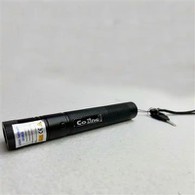
What's the technical parameter of the COZING-T05 best cold laser therapy device for home use?
|
Model: |
COZING-T05 |
|
Laser medium: |
GaAIAs Semiconductor |
|
Laser wavelength: |
650nm, 808nm or other wavelength can be customized |
|
Terminal laser output mode: |
Continuous and pulse |
|
Terminate output laser power intensity: |
10 levels |
|
Battery voltage: |
1-9999Hz can be adjusted |
|
Iithiumn battery capacity: |
5200mAh |
|
Time: |
Each level is 5seconds or 5mins |
|
Number of terminal laser output: |
25pcs |
|
Lithium-ion battery output voltage: |
5.5V |
Benefits of LLLT and PBMT for Fibromyalgia
Pain relief
Anti-inflammatory
Enhances circulation
Increase energy levels
Non-Invasive Alternatives
How COZING-T08 Treat Fibromyalgia?
COZING-T08 stimulates cellular repair, improves circulation, and reduces inflammation by emitting specific wavelengths of light. Given that fibromyalgia is associated with mitochondrial dysfunction, oxidative stress, and neurological sensitivities, red light therapy offers a scientifically based approach to managing symptoms and improving quality of life.
Clinical studies
1.Background: Fibromyalgia is a chronic condition characterized by widespread pain and pressure. Low-level laser therapy (LLLT) is an emerging nonpharmacologic treatment that has been used to relieve musculoskeletal or neuropathic pain.
OBJECTIVE: The purpose of this review and meta-analysis was to determine the efficacy of LLLT in patients with fibromyalgia.
2.STUDY DESIGN: This study involved a systematic evaluation and quantitative meta-analysis of published randomized controlled trials (RCTs).
3.BACKGROUND: This study reviewed all RCTs assessing the effect of LLLT on fibromyalgia.
4.Methods: We conducted a systematic review and meta-analysis of randomized controlled trials (RCTs) assessing the efficacy of low-intensity laser therapy (LLLT) in patients with fibromyalgia. PubMed, EMBASE and the Cochrane Library were searched for articles published before August 2018. RCTs that met our selection criteria were included.The methodological quality of RCTs was assessed according to the Cochrane risk of bias method. Meta-analysis was performed using Review Manager version 5.3. Primary outcome indicators were fibromyalgia impact questionnaire (FIQ) total score, pain severity and number of pressure points. Secondary outcome indicators were changes in fatigue, stiffness, anxiety and depression. Standardized mean differences (SMDs), 95% confidence intervals (CIs), and p-values were calculated for outcome analyses.
5.Results: We identified 9 RCTs that included 325 patients with fibromyalgia treated with LLLT or placebo laser therapy (with or without a concurrent exercise program). Meta-analysis showed that patients treated with LLLT had higher FIQ scores (SMD: 1.16; 95% CI, 0.64-1.69), pain severity (SMD: 1.18; 95% CI, 0.82-1.54), number of pressure points (SMD: 1.01; 95% CI, 0.49-1.52), fatigue (SMD: 1.4; 95% CI, 0.96-1.84), stiffness (SMD: 0.92; 95% CI, 0.36-1.48), depression (SMD: 1.46; 95% CI, 0.93-2.00), and anxiety (SMD: 1.46; 95% CI, 0.45-2.47) were all significantly improved over patients receiving placebo laser therapy. In addition, LLLT combined with a standardized exercise regimen did not provide an additional advantage in terms of symptom relief compared with a standardized exercise regimen alone. On the other hand, the results of the only RCT using the combination of LLLT/LED phototherapy showed significant improvement in most of the outcome measures, except for depression, and an improvement compared with the placebo group. The combination of LLLT/LED phototherapy with exercise therapy provided additional benefits in terms of reduced pain severity, reduction in the number of pressure points, and fatigue compared with exercise therapy alone.
6.Limitations: This review has some limitations, primarily because the methodologic quality of the selected studies was low or moderate; for example, there was a lack of a clear allocation process, and most studies were blinded to patients only. In addition, one study used a conforming protocol analysis with a 20% loss-to-follow-up rate. On the other hand, differences in laser type, energy source, duration of irradiation, and associated drug status in these studies may have contributed to some heterogeneity.
7.CONCLUSIONS: Our findings provide the most recent and relevant evidence on low-intensity laser therapy (LLLT) for the treatment of fibromyalgia.LLLT is an effective, safe and well-tolerated treatment for fibromyalgia.
Hot Tags: low level laser therapy for fibromyalgia, China low level laser therapy for fibromyalgia manufacturers, suppliers, factory, laser used by chiropractor, laser treatment for slip disc, chiro laser, cold laser for pain, acupuncture laser therapy, laser therapy for ankle sprain