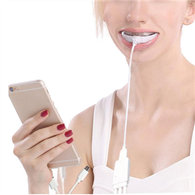
What are the indications of uv light for teeth device?
- Apical inflammation
- Early pulpitis
- Dental pulp congestion
- Root canal treatment response
- Soft tissue infection
- Pericoronitis
- ulcer


What's the technical parameter of the uv light for teeth device?
|
Brand |
COZING |
|
Model |
COZING-USBO |
|
energy source |
electricity |
|
Material |
plastic, tooth model |
|
Shelf life |
2 years |
|
Quality Certification |
CE |
|
Instrument classification |
Class I |
|
Product Specifications |
5 mW |
|
Wavelength |
650nm laser or UV light can be customized |
Laser has the following advantages over traditional methods in dental applications:
① Minimally invasive: The laser can treat the target tissue without damaging the surrounding tissue.
②Painless: The laser can reduce or eliminate pain when acting on tissue.
③Accuracy: The laser can accurately act on the target tissue through beam focusing, reducing accidental injuries.
risks of.

How does dental soft tissue laser for the elderly work?
Laser-assisted treatment focuses on removing plaque biofilm from periodontal pocket walls, has a bactericidal effect, assists traditional treatment methods of cleaning the tooth's own structure, and promotes tissue healing after treatment.
COZING laser can quickly seal the nerve endings around the ulcer surface to reduce inflammation and relieve pain. It only takes about ten seconds and forms a coagulation layer, shortening the healing period.
The laser acts on the dental tissue to cause instantaneous melting and recrystallization, thereby sealing the dentin tubules.
Using the physiotherapy effect of low-energy laser to provide local soothing and hemostasis can help reduce postoperative pain and promote healing.
Laser abrasion and heat are used to shrink loose tissues to improve the width and volume of the airway, while reducing the sound of snoring and improving sleep quality. It is mainly aimed at the auxiliary treatment of obstructive snoring, and the effect is more effective when combined with Oral appliances. good.
Laser can remove the oxidized layer contaminated by microorganisms on the surface of the implant without damaging the implant and improve bone defects.
Product display:

FAQ